Royal Textile Academy
Natural Dye Training in Khoma, Lhuentse
In a village known for kishuthara, training in natural dyes and a 92-year-old master weaver who still starts at four.
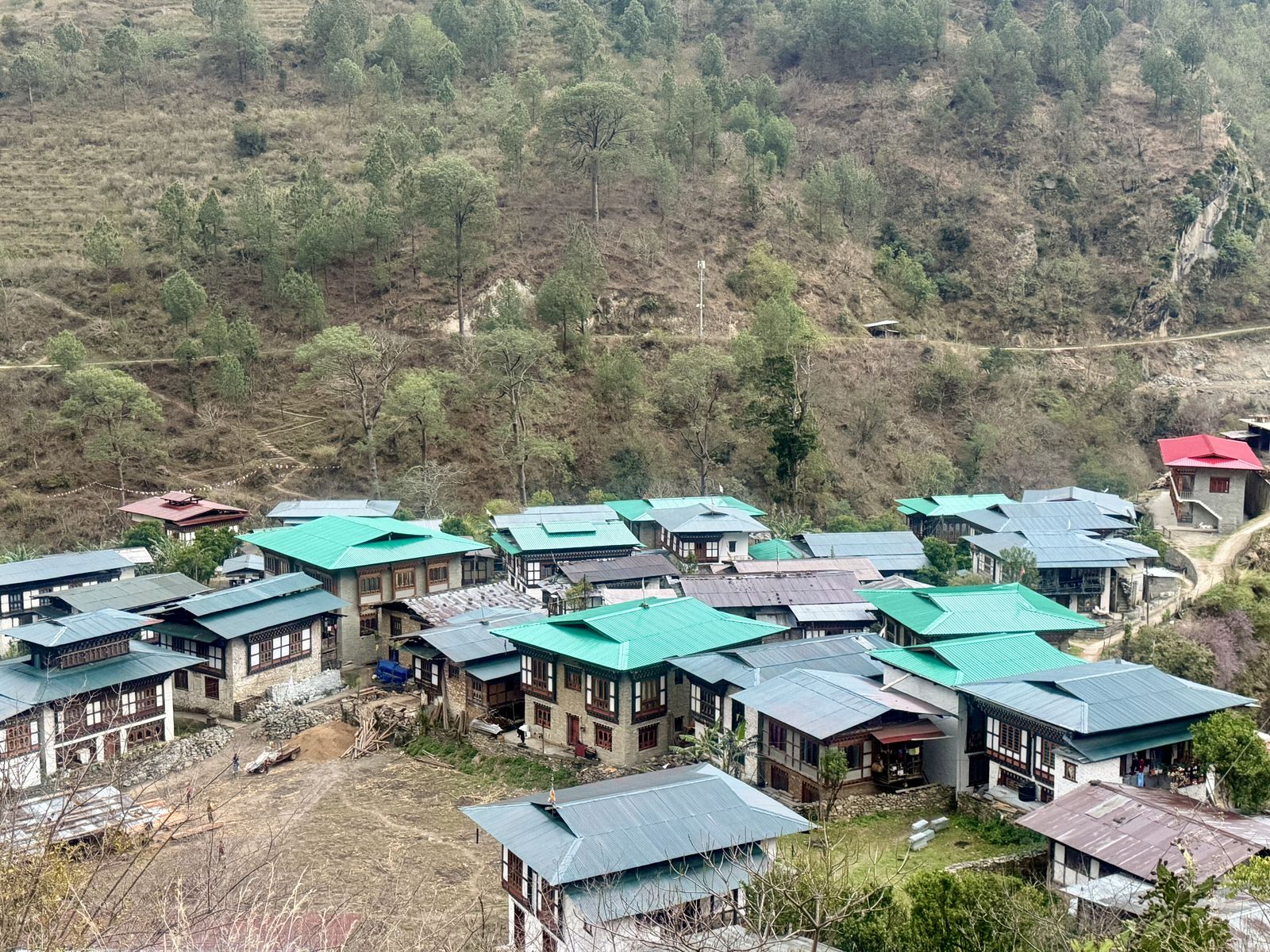
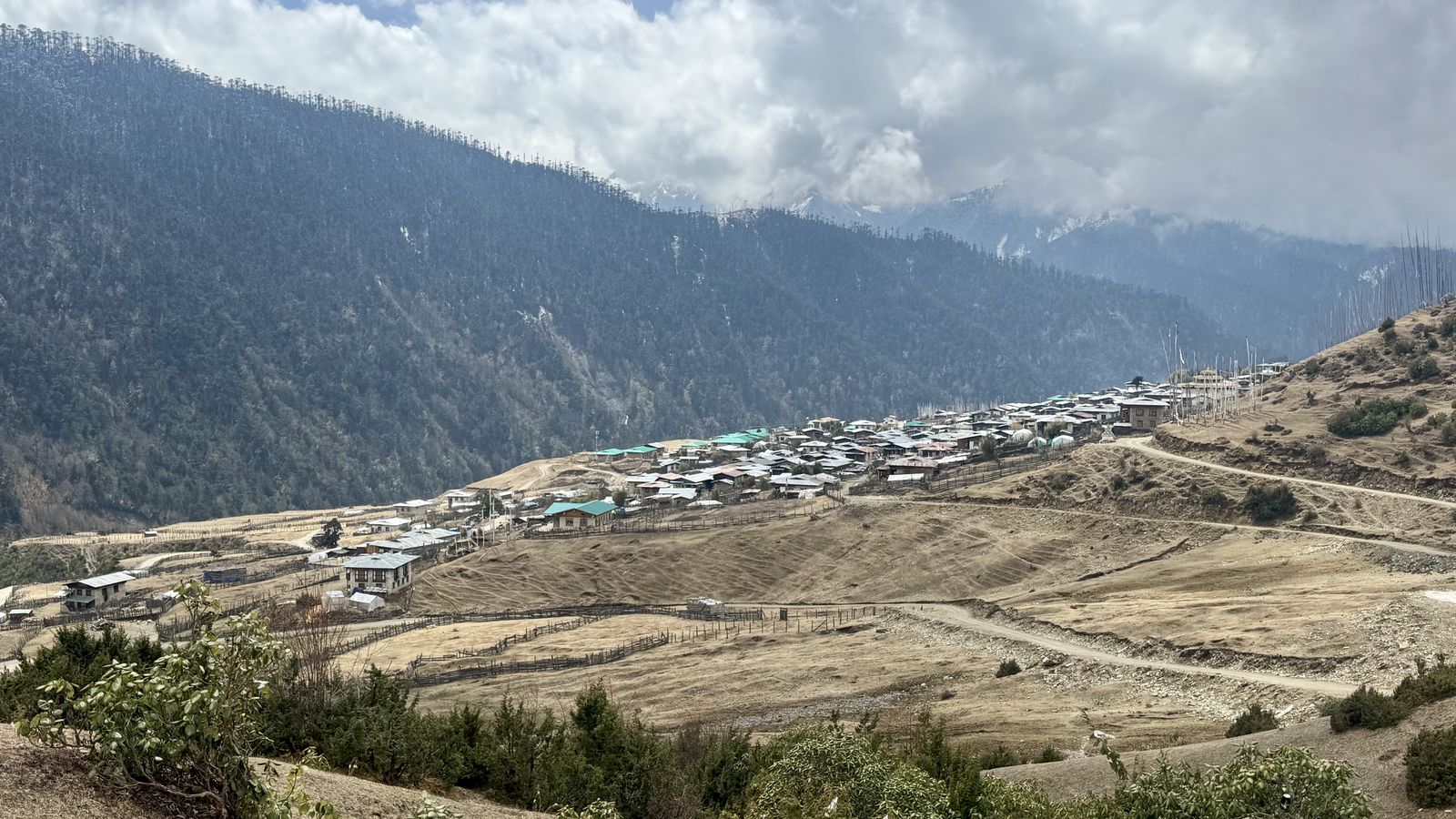
Khoma Village is home to approximately 40 households and is historically renowned for producing some of the finest kishuthara textiles in Bhutan. According to the Mangmi, weaving remains the primary livelihood activity for women in the village, while men traditionally supplemented household income through cattle rearing. In the past, each household reportedly owned at least thirty cattle; however, livestock numbers have gradually declined over the years due to ageing populations and changing livelihood patterns.
Currently, the village is largely inhabited by elderly residents, as many younger people have migrated to Australia and other destinations in search of better economic opportunities. Over the past fifteen years, households have increasingly diversified their sources of income through weaving, homestays, and tourism-related activities rather than relying primarily on cattle rearing.
The community collectively works to preserve the cleanliness, authenticity, and traditional character of the village. Notably, cattle and vehicles are not permitted within the core settlement area, which has become one of the village’s distinctive attractions for visitors, alongside its reputation as an authentic centre for kishuthara weaving. To promote and preserve the weaving culture, the Royal Textile Academy provided the community with training on natural dyeing processes.
During the visit, the monitoring officials briefed Mangmi on the purpose of the monitoring visit and sensitized him on the overall governance structure of the CSO Authority and CSOs in Bhutan. The Mangmi highlighted the need for continued training on natural dyeing techniques, noting that a previous training conducted by the Royal Textile Academy had significantly improved local dyeing practices and product quality.
The Mangmi also shared plans to organize a Kishuthara Festival, which would allow tourists and visitors to explore all chiwogs within the gewog. The initiative aims to promote inclusive local economic development, as currently only Khoma Chiwog receives significant tourist attention despite weaving traditions being equally prevalent in neighbouring chiwogs. Furthermore, the Mangmi emphasized the importance of training on intellectual property rights to help weavers protect and preserve the originality and ownership of their innovative motifs and designs.
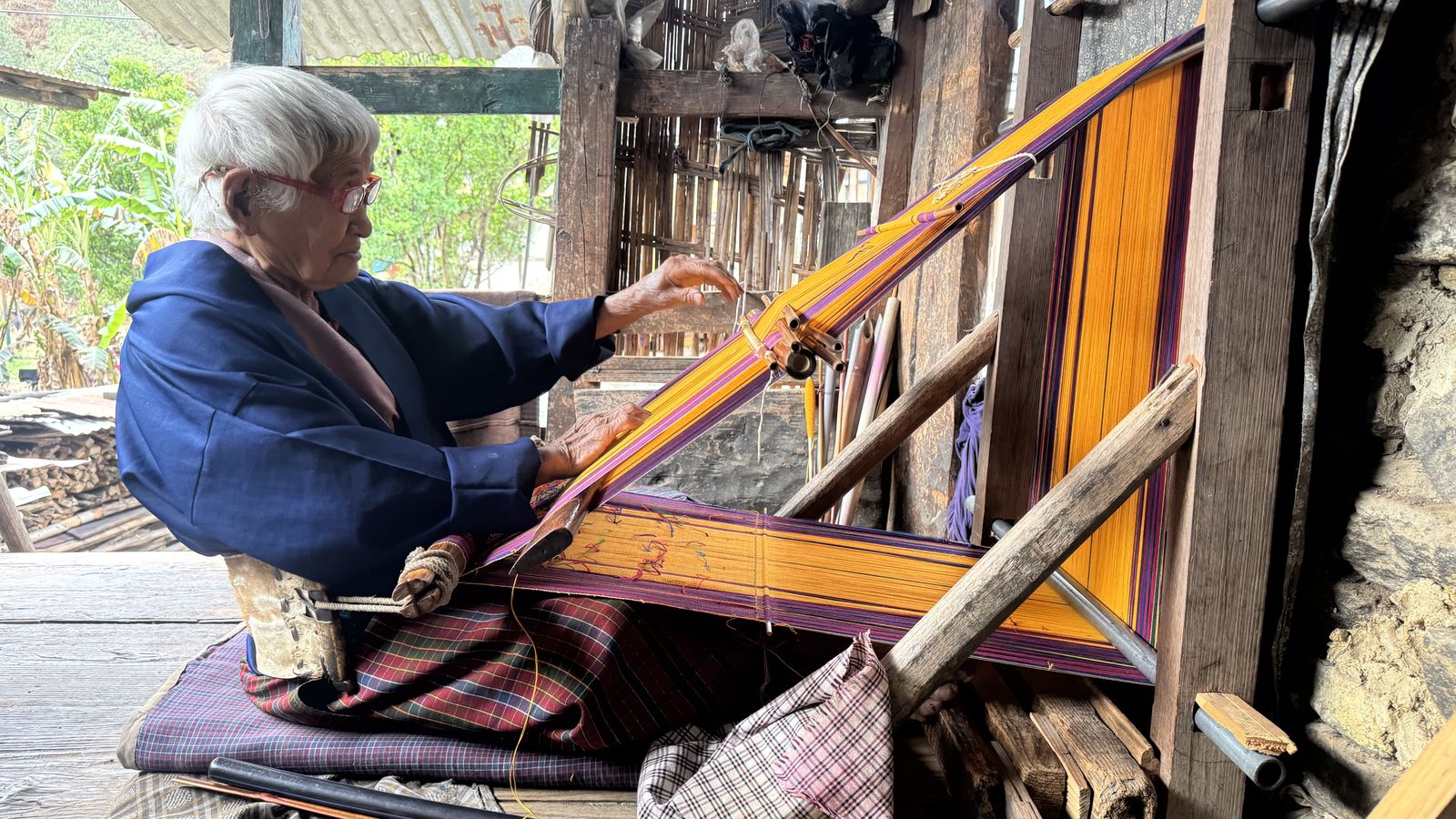
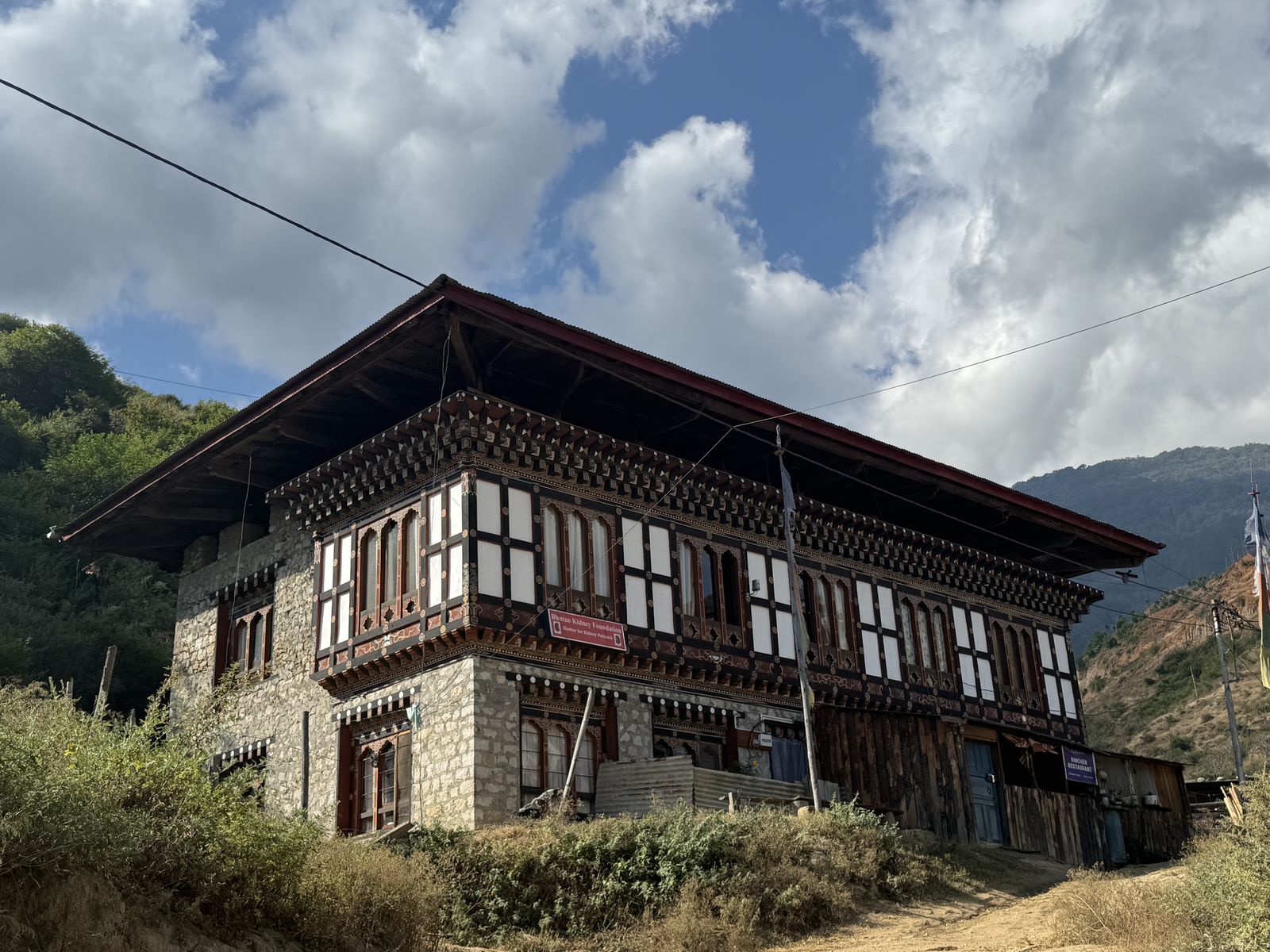
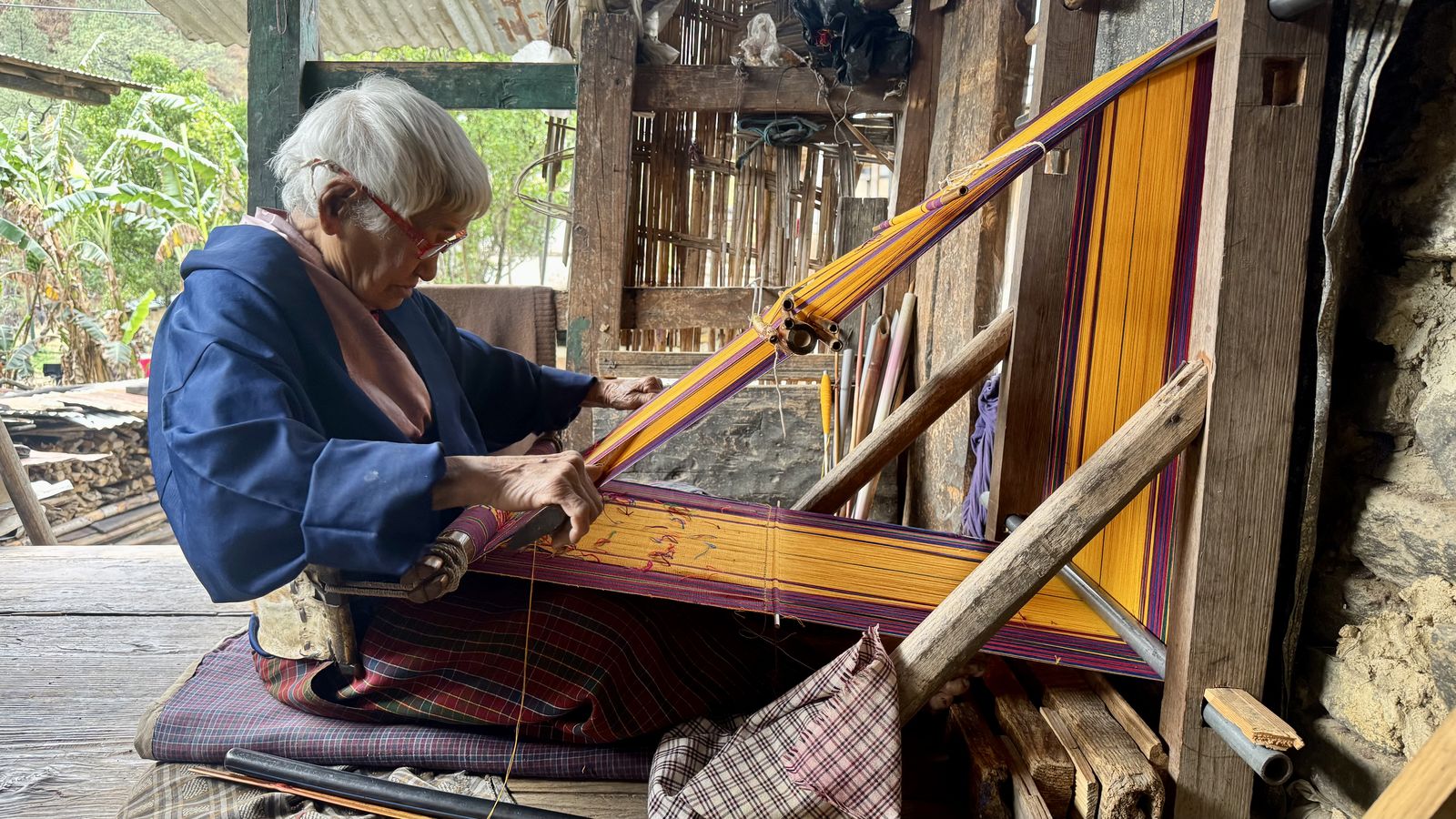
As the officials toured the village and met groups of women weaving kishuthara and sesho ghos, they visited a remarkable three-storeyed traditional house believed to be over a century old and constructed during the reign of the First Druk Gyalpo. The house belonged to Angay Sithar, affectionately known by locals as “Aie Sithar,” a 92-year-old master weaver who continues to weave actively despite her age.
Angay Sithar begins her day as early as 4:00 AM and has been weaving since the age of thirteen. Reflecting on her early years, she fondly recalled a village elder who mentored her as a young beginner. Historically, Khoma has had only three known male weavers.
In recognition of her lifelong contribution to Bhutanese textile heritage, Angay Sithar was invited to Thimphu, where Gyalyum Sangay Choden Wangchuck awarded her a soelra grant of Nu. 100,000 along with a commemorative statue.
Even today, Angay Sithar continues to sustain herself through weaving, producing beautifully crafted tablecloths predominantly in white and yellow tones, which are easier for her to work with due to her deteriorating eyesight. Despite needing glasses to create intricate patterns, she remains deeply committed to her craft. Beyond weaving, she plays a vital role in mentoring young girls and women in Khoma, ensuring that the rich knowledge, skills, and traditions of kishuthara weaving are passed down to future generations.
Gallery
2 photographs. Select one to view it larger.